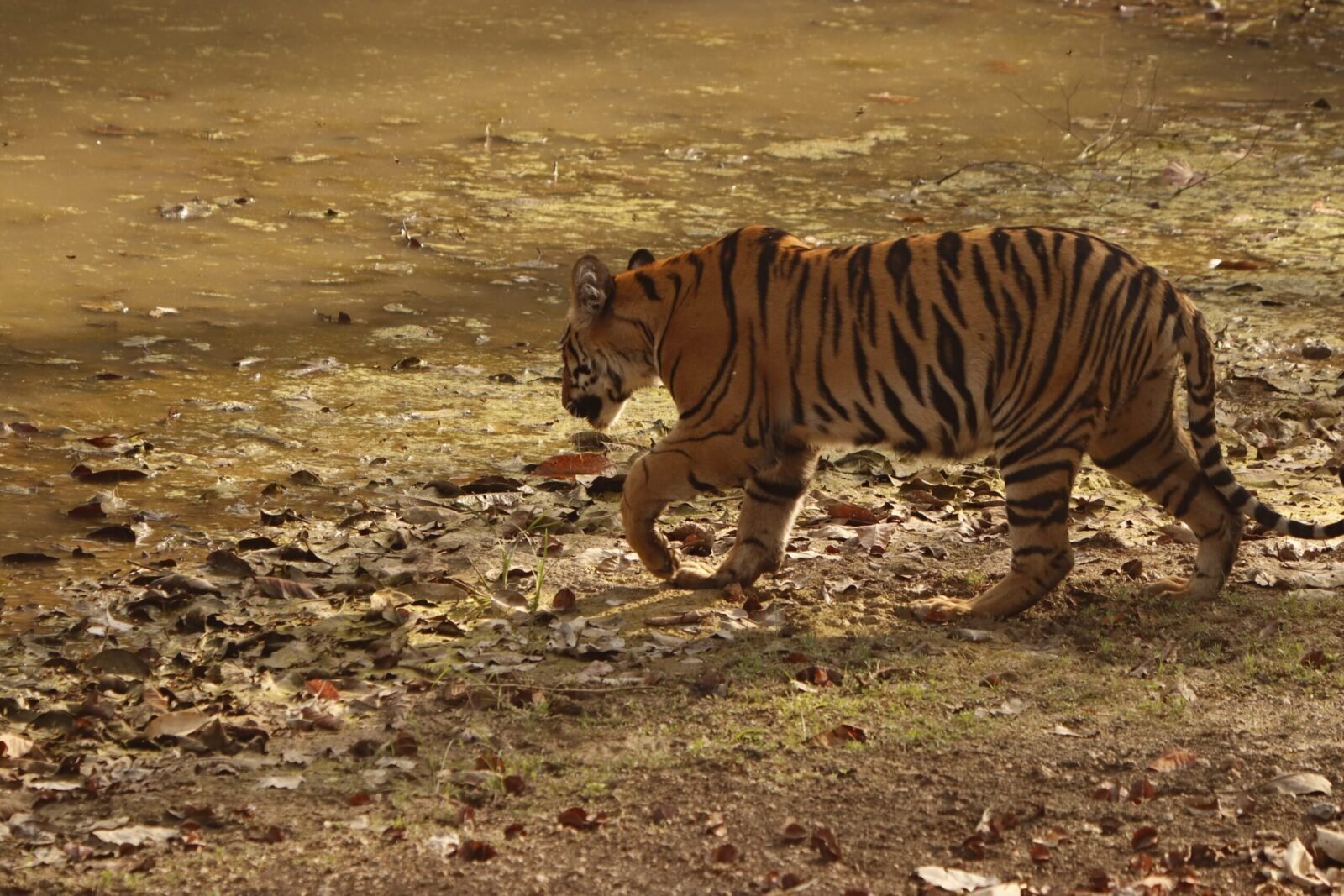
Tadoba Andhari Tiger Reserve lies in Chandrapur district, Maharashtra. It combines Tadoba National Park, declared in 1955 and widely described as Maharashtra’s oldest national park, with the neighbouring Andhari Wildlife Sanctuary, merged with it in 1995 to form the present reserve. As a tiger reserve it is part of India’s Project Tiger network.
Name and folklore
The forest takes its name from Taru, a local deity revered by tribal communities. According to local tradition, Taru was a village chief who met his end in an encounter with a tiger, and a shrine beside Tadoba Lake still honours him.
Landscape and habitat
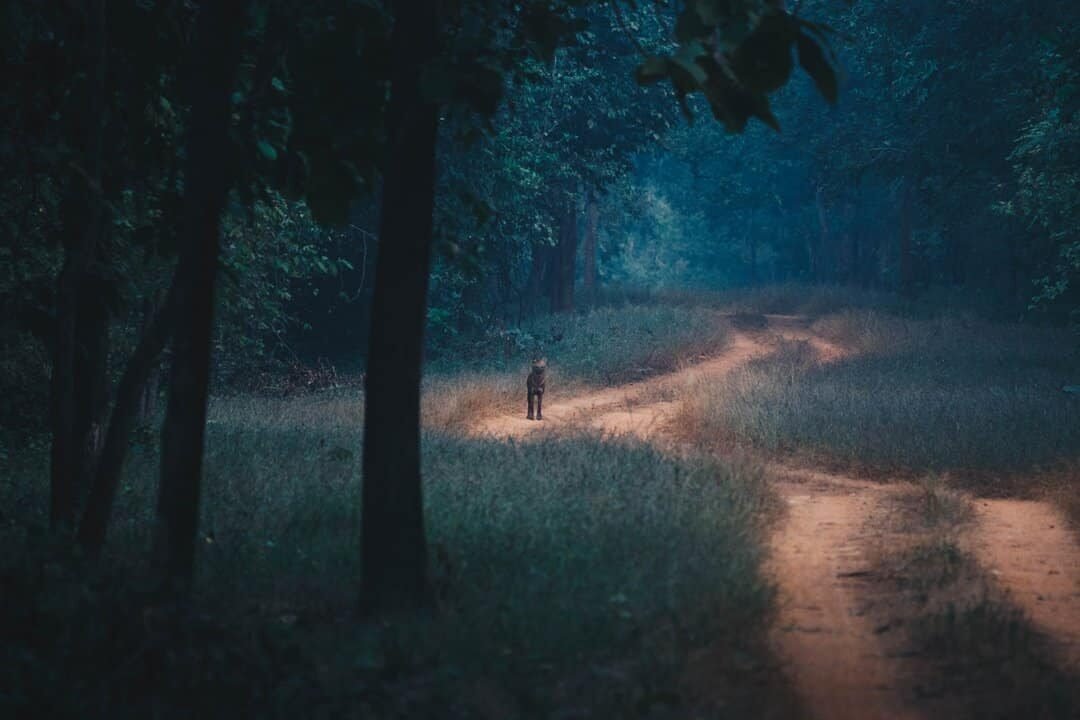
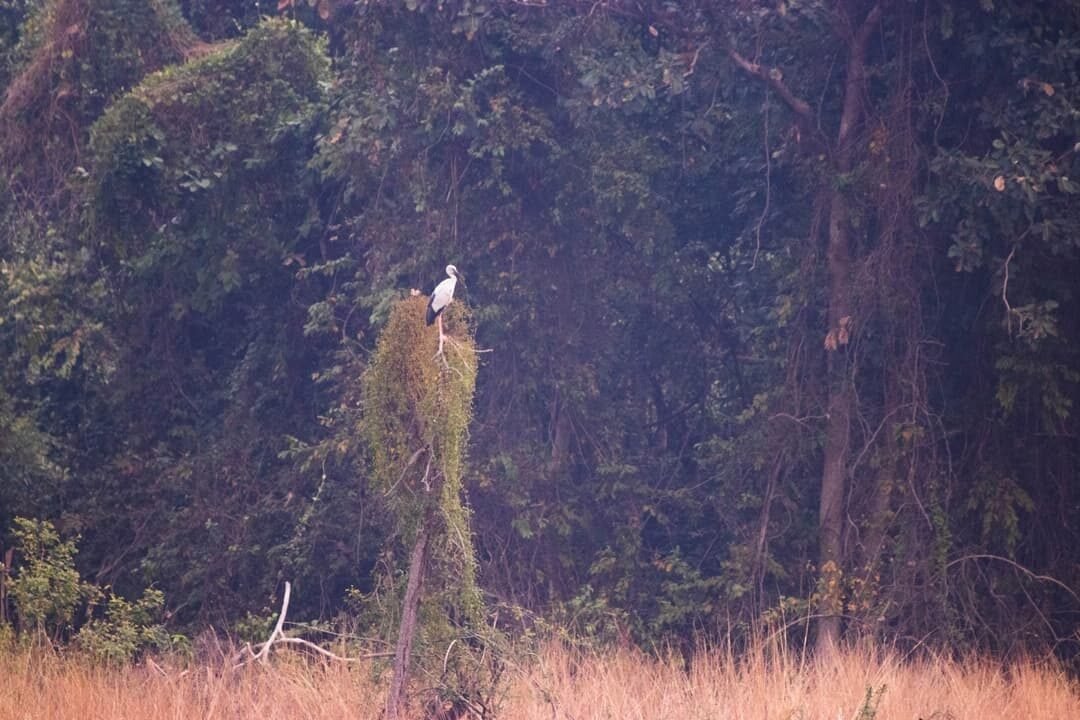
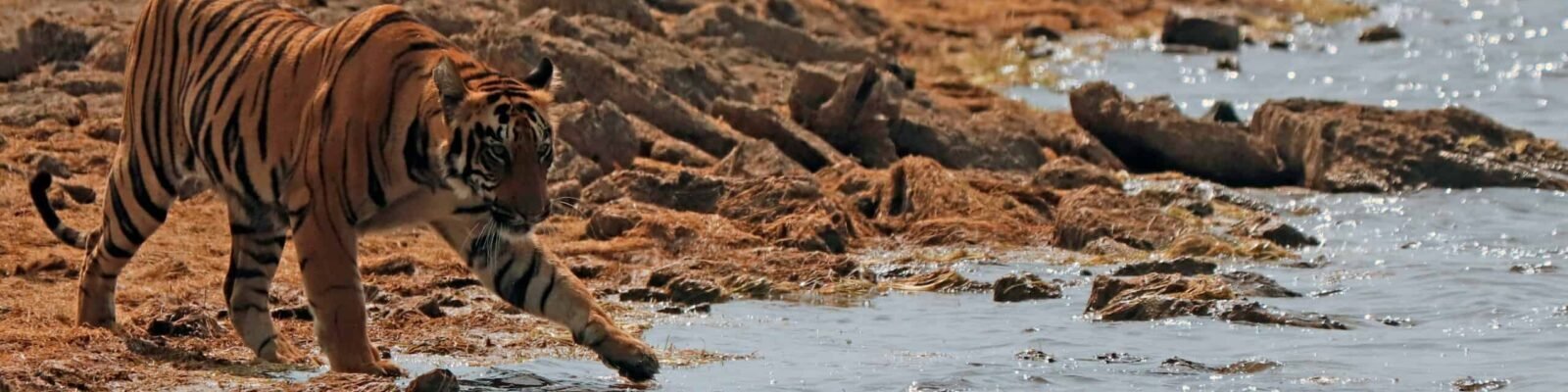
The reserve is hilly, with dry deciduous forest dominated by teak and bamboo, open grassland and rocky outcrops. Tadoba Lake, Kolsa Lake and the Andhari River provide water that shapes where wildlife gathers through the year.
Core and buffer
The core area is roughly 625 km², with a larger buffer landscape around it. Visitors can take safaris in both. See core vs buffer for how they differ.
Core and buffer zonesSafaris run in both.
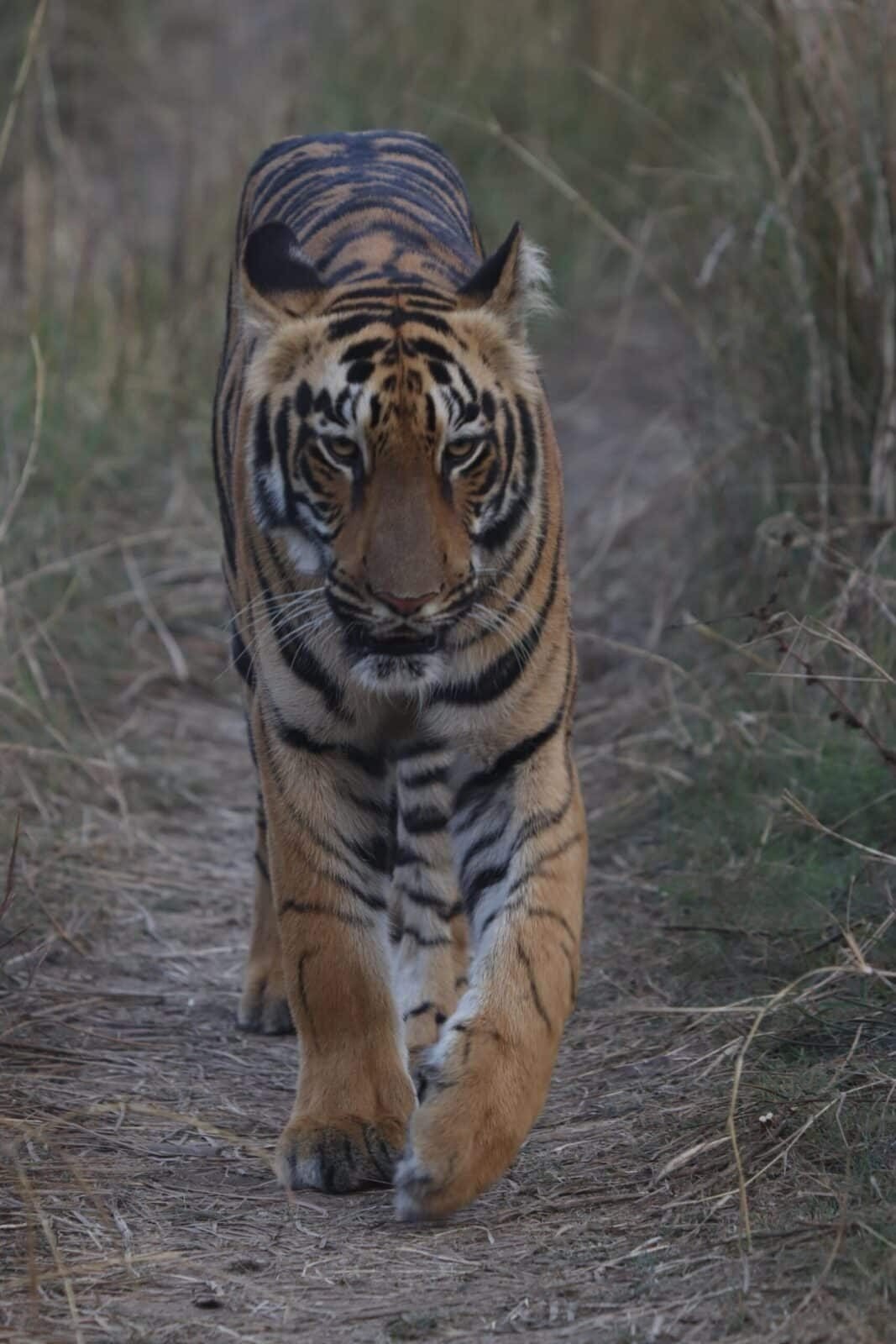
Wildlife
Tadoba is best known for tigers, and it is also home to leopards, sloth bears, dholes (Indian wild dogs), gaur, sambar, spotted deer and nilgai. More than 200 bird species have been recorded, along with many reptiles and butterflies. No sighting is ever guaranteed.
Visiting responsibly
Follow your guide’s instructions, stay in the vehicle during safaris and keep noise and waste to a minimum. To understand how permits work, read our safari booking guide.
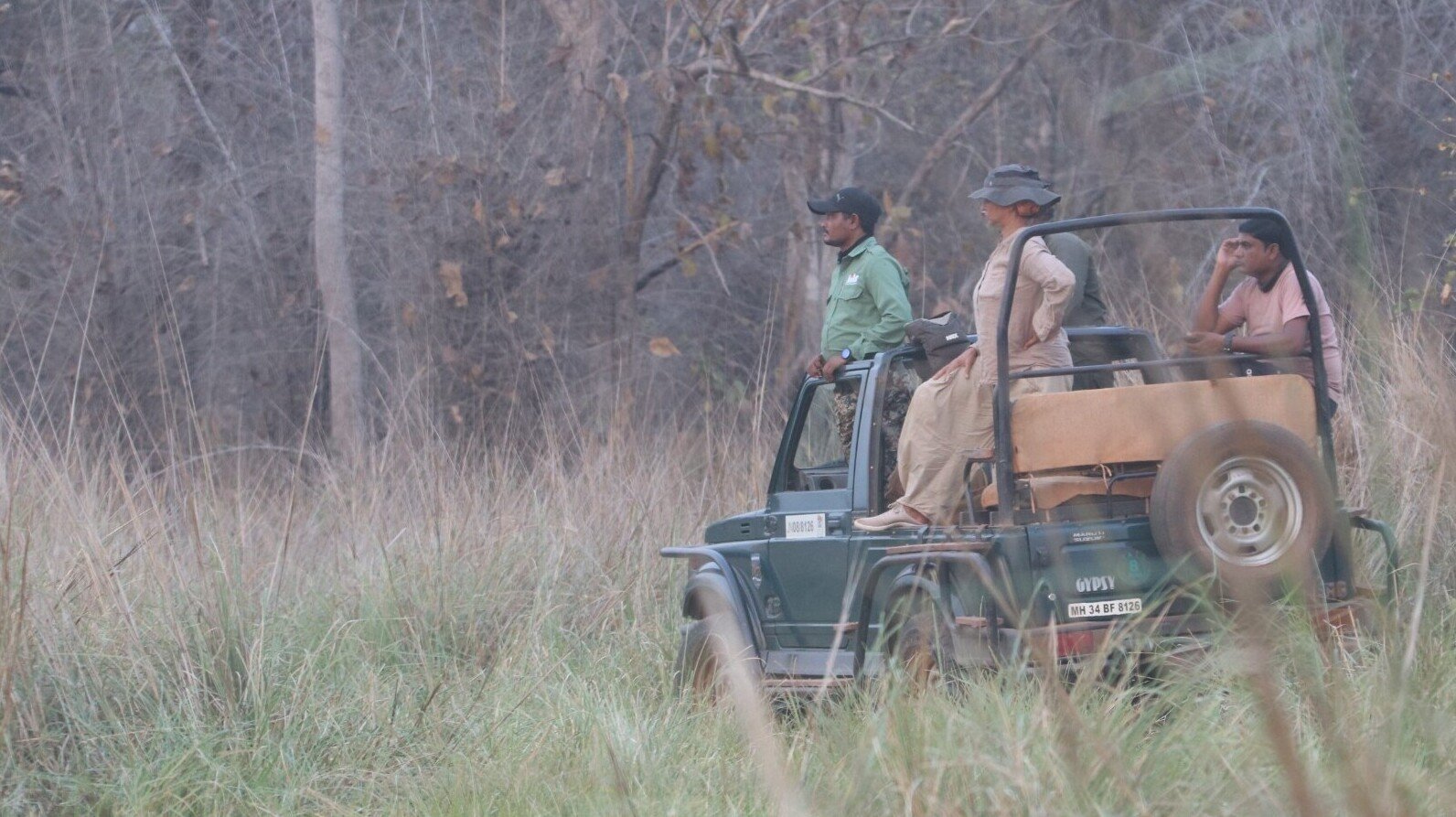
Ready to see Tadoba? Tell us your dates and group size and we will check availability. An enquiry does not reserve a permit.